
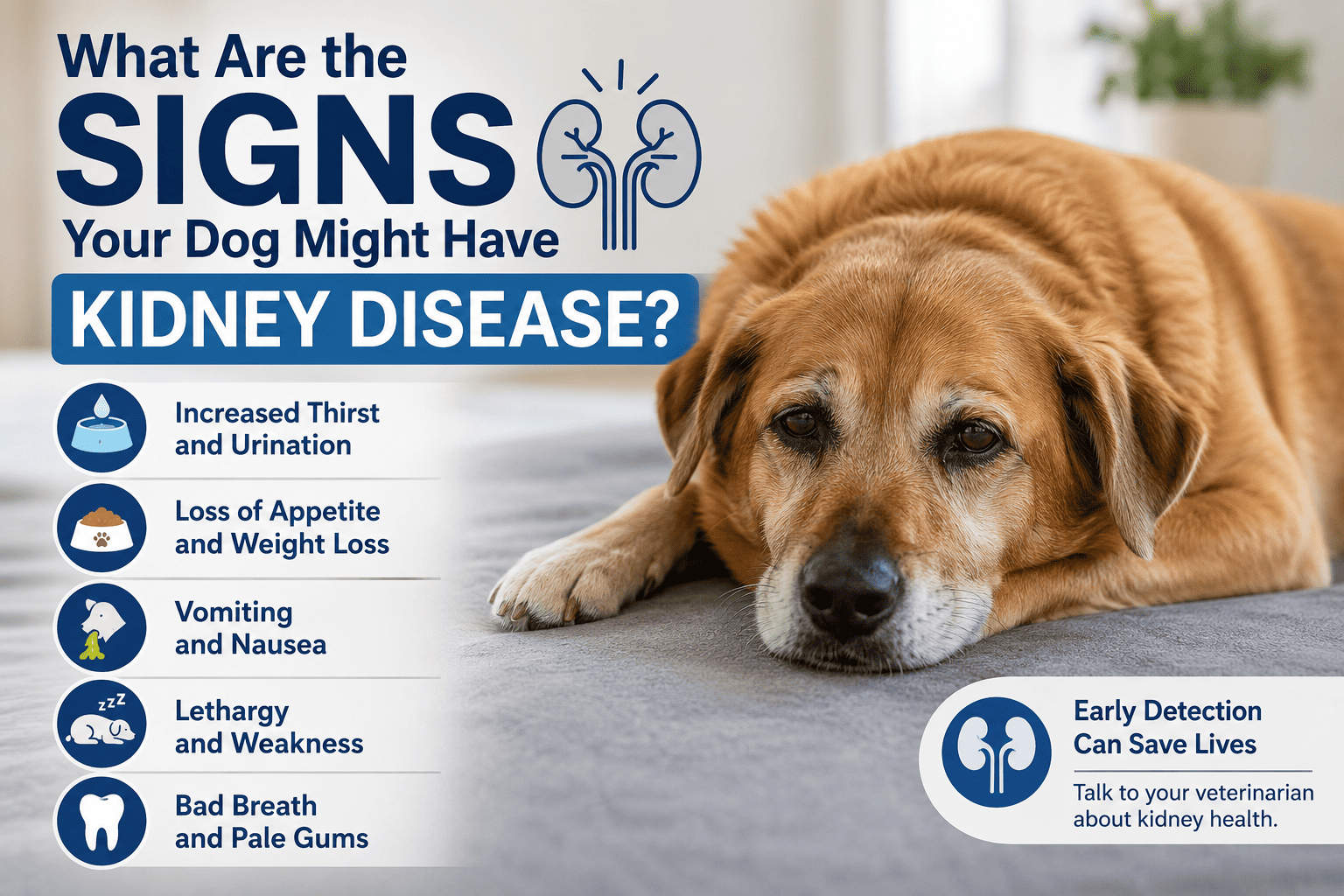
Kidney disease is one of the most common health conditions affecting dogs, especially as they age. Because the kidneys play an important role in filtering waste, balancing fluids, and maintaining overall health, any decline in kidney function can have serious consequences if left untreated. Recognizing the early warning signs can help your dog receive timely medical care and improve their quality of life.
If you notice changes in your dog's behavior or health, visiting a veterinarian in Naples as soon as possible can help identify the cause and begin appropriate treatment before the condition progresses.
What Is Kidney Disease in Dogs?
The kidneys remove toxins from the bloodstream, regulate blood pressure, maintain hydration, and produce hormones that support red blood cell production. When the kidneys stop functioning properly, waste products build up in the body, making your dog feel sick.
Kidney disease may be:
- Acute Kidney Disease: Develops suddenly due to poisoning, infection, dehydration, or toxins.
- Chronic Kidney Disease (CKD): Progresses gradually over months or years and is more common in senior dogs.
Although chronic kidney disease cannot usually be cured, early diagnosis and proper management can significantly slow its progression.
Common Signs of Kidney Disease in Dogs
Increased Thirst and Urination
One of the earliest signs is drinking more water than usual. Dogs with kidney disease often urinate more frequently because their kidneys lose the ability to concentrate urine.
Watch for:
- Constantly empty water bowls
- Frequent bathroom trips
- Indoor accidents
- Large amounts of pale urine
Loss of Appetite
Dogs experiencing kidney problems often lose interest in food because toxins accumulating in their bloodstream can cause nausea.
Signs include:
- Eating less than normal
- Refusing favorite treats
- Weight loss
- Reduced energy during mealtimes
Vomiting and Nausea
As toxins build up, dogs may experience digestive upset.
Symptoms include:
- Vomiting
- Drooling
- Lip licking
- Bad breath
- Upset stomach
Persistent vomiting should always be evaluated promptly.
Weight Loss
Chronic kidney disease often leads to gradual weight loss caused by poor appetite and muscle wasting.
If your dog appears thinner despite eating normally—or refuses food altogether—schedule a veterinary examination.
Lethargy
Dogs with kidney disease frequently become less active because toxins circulating in the bloodstream make them feel weak.
You may notice:
- Sleeping more
- Reluctance to play
- Less interest in walks
- General fatigue
Bad Breath
A distinctive ammonia-like odor is common in advanced kidney disease. Mouth ulcers may also develop, making eating painful.
Pale Gums
Kidney disease can reduce red blood cell production, leading to anemia.
Signs include:
- Pale gums
- Weakness
- Exercise intolerance
- Rapid breathing
Dehydration
Even when drinking plenty of water, dogs with kidney disease often become dehydrated.
Signs include:
- Dry gums
- Sunken eyes
- Skin that doesn't quickly return when gently lifted
- Weakness
Causes of Kidney Disease
Several conditions can damage the kidneys, including:
- Aging
- Bacterial infections
- Toxin exposure
- Certain medications
- Kidney stones
- High blood pressure
- Genetic conditions
- Severe dehydration
How Veterinarians Diagnose Kidney Disease
Your veterinarian will usually recommend:
- Physical examination
- Blood tests
- Urinalysis
- Blood pressure measurement
- Ultrasound or X-rays if necessary
Early diagnosis often allows treatment before severe damage occurs.
Treatment Options
Treatment depends on the severity and underlying cause.
Common treatments include:
- Intravenous fluid therapy
- Prescription kidney diets
- Medications for nausea
- Blood pressure control
- Phosphate binders
- Appetite stimulants
- Regular monitoring
Some dogs benefit from long-term home fluid therapy for chronic kidney disease.
Can Kidney Disease Be Prevented?
While not every case can be prevented, owners can reduce the risk by:
- Providing fresh water daily
- Feeding a balanced diet
- Preventing access to toxins
- Scheduling routine wellness exams
- Managing chronic diseases early
- Monitoring senior dogs with regular bloodwork
Routine checkups become increasingly important as dogs age.
When Should You Visit the Veterinarian?
Do not ignore symptoms such as:
- Excessive drinking
- Frequent urination
- Vomiting
- Weight loss
- Weakness
- Bad breath
- Poor appetite
Prompt evaluation greatly improves treatment success, especially for acute kidney disease.
Frequently Asked Questions
Can dogs recover from kidney disease?
Acute kidney disease may be reversible if treated quickly. Chronic kidney disease is generally managed rather than cured, with treatment focused on slowing progression and improving quality of life.
Is kidney disease painful for dogs?
The disease itself may not always be painful, but nausea, dehydration, mouth ulcers, and related complications can make dogs very uncomfortable.
Which dogs are at higher risk?
Senior dogs, certain breeds with inherited kidney conditions, and dogs exposed to toxins or chronic illnesses are at greater risk.
How often should older dogs have kidney screenings?
Most senior dogs benefit from annual or semiannual wellness exams, including blood and urine testing, depending on their age and overall health.
Final Thoughts
Kidney disease often develops gradually, making early recognition essential. Paying attention to changes in your dog's drinking habits, appetite, energy level, and weight can help detect problems before they become severe. Regular veterinary checkups, routine laboratory testing, and prompt treatment offer the best chance of maintaining your dog's health and comfort.
For trusted pet care in Naples, the experienced team at Town and Country Animal Hospital provides comprehensive wellness exams, advanced diagnostics, and personalized treatment plans for dogs and cats. Whether your pet needs preventive care or management of chronic kidney disease, their compassionate veterinary professionals are dedicated to helping pets live healthier, happier lives.